


Tokio y Shenzhen muestran cómo gestionar con éxito grandes megalópolis
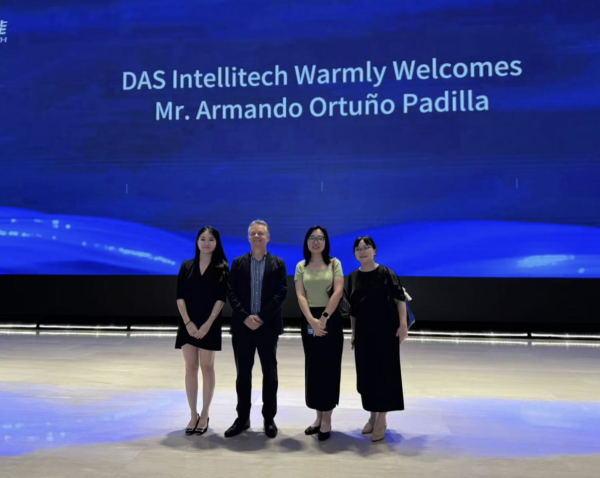
El Director Técnico de MWCC, Armando Ortuño, ha completado recientemente una estancia de investigación en las ciudades de Tokio (Japón) y Shenzhen (China) con el objetivo de analizar y comprender los modelos de éxito en la gestión urbana de dos de las mayores metrópolis del planeta.
Durante su estancia en Tokio, y gracias a la colaboración con la Universidad de Waseda, Ortuño tuvo la oportunidad de conocer de primera mano las fórmulas de colaboración público-privada que han permitido que tan solo el 8% de los desplazamientos se realicen en coche en un ámbito metropolitano con más de 40 millones de habitantes. Este modelo, en el que participan grandes compañías de transporte e inmobiliarias, se combina con espectaculares proyectos de regeneración urbana caracterizados por la participación ciudadana y el respeto a la cultura local. Además, pudo profundizar en el sistema de gestión de riesgos naturales japonés, considerado uno de los más avanzados y eficientes a nivel mundial.
Por su parte, la visita a Shenzhen puso de relieve la transformación de una pequeña localidad de 300.000 habitantes en la década de 1970 en una megalópolis de más de 21 millones en la actualidad. Este “milagro urbano” se sustenta en una gestión basada en el uso de la inteligencia artificial aplicada a los servicios públicos, la atención al ciudadano, las empresas y la colaboración interadministrativa. Gracias a la intermediación del ICEX, Ortuño mantuvo encuentros con representantes de la Cámara de Shenzhen, el Ayuntamiento y la empresa tecnológica Das Intellitech, quienes compartieron los últimos avances en planificación urbana inteligente.
Desde MWCC felicitamos a nuestro Director Técnico por este trabajo de investigación que contribuye al desarrollo de redes de excelencia internacional y fortalece la posición de la Asociación en el ámbito de la innovación y la planificación urbana a nivel global.